In today’s digital world, young people are constantly exposed to information — but not all of it is reliable.
From fake news to media manipulation, understanding how information is created, shared, and interpreted has become a key democratic skill. Through the Your Democracy project, young people across Europe are developing exactly these competences.
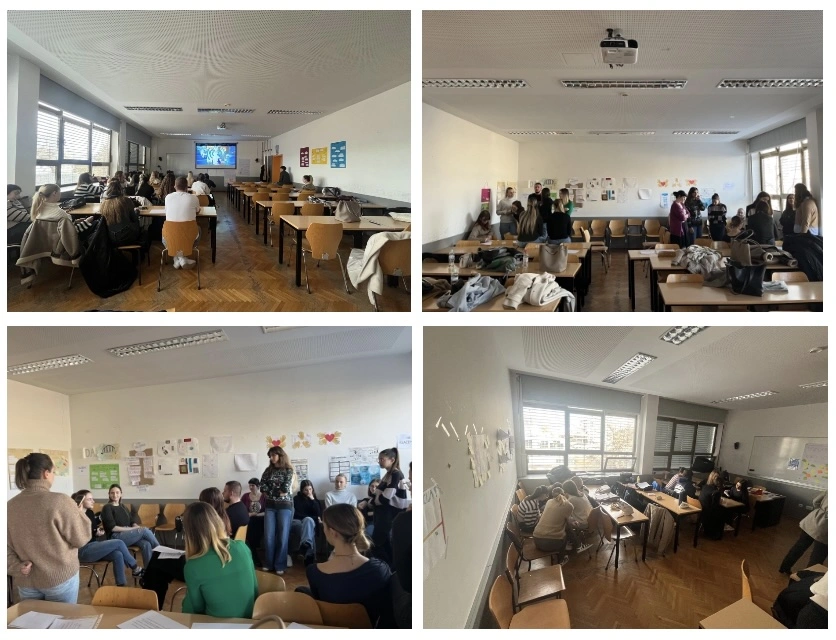
Following an international training on media literacy and disinformation, local workshops were organised across Croatia, North Macedonia, France, and Estonia as part of Youth Leaders’ Hubs. These activities tested the second educational handbook: “Disinformation, Media and Manipulation with Media in Democratic Societies and How to Stay Democratic in These Times.”
After completing the international training in France, youth leaders returned to their communities and implemented local workshops adapted to their participants.
Through interactive and non-formal education methods, these workshops allowed young people to:
The result was a learning experience that moved beyond theory — into practical, real-life application.
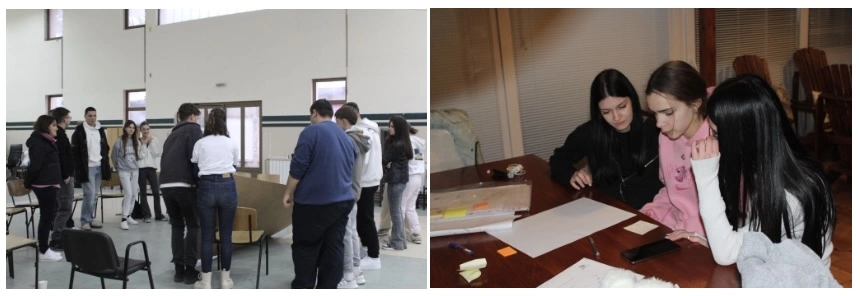
In Croatia, workshops engaged 25–30 young participants in exploring communication, media bias, and ethical dilemmas.
Participants learned how communication barriers affect understanding and how messages can be distorted. They also analysed current media trends and debated media policies and freedom in the digital age.
One of the strongest impacts came from discussions on controversial topics, where participants:
The workshops helped participants become more confident in expressing their views while remaining open to different perspectives.
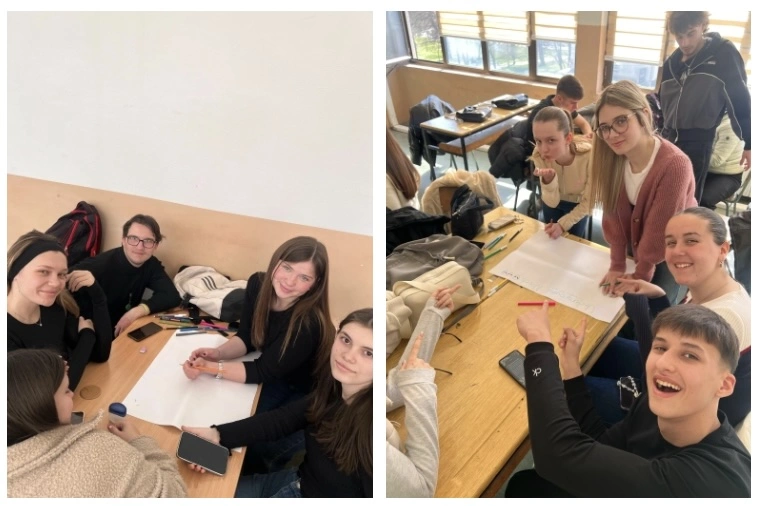
In North Macedonia, a three-day intensive workshop brought together 30 young participants to explore media literacy in depth.
Participants engaged in activities such as:
Interactive sessions helped participants understand how misinformation is created and why people believe it.
Participants reported that these activities significantly improved their ability to critically evaluate information and recognise manipulation in everyday media.
In France, workshops focused on critical thinking, debate, and understanding media systems.
Participants explored:
Through simulations and debates, participants experienced how media manipulation works in practice and how it affects decision-making.
Creative activities, such as expressing media perceptions through art, helped participants reflect on the emotional impact of media — adding a deeper layer to their understanding.
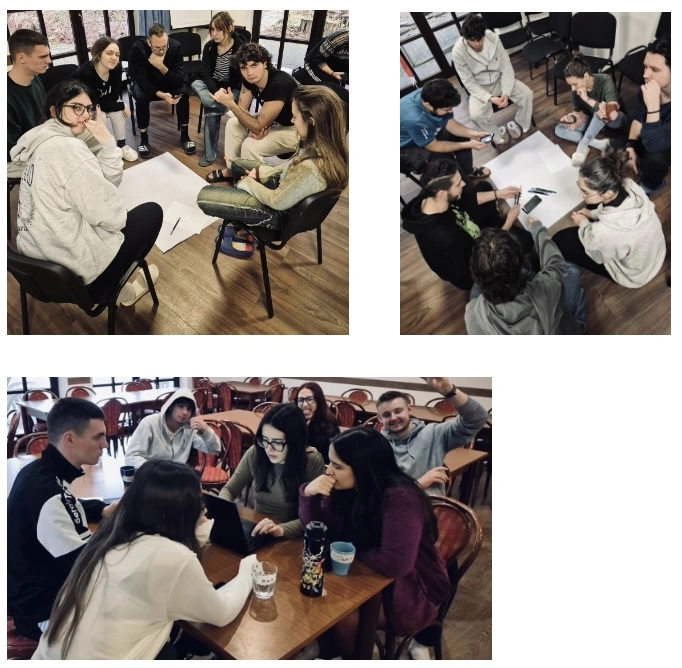
In Estonia, a three-day workshop brought together 25 young participants to pilot a large number of sessions from the handbook.
Participants appreciated:
The workshops helped participants build a strong foundation in media literacy, while also providing detailed feedback for improving the handbook.
Some participants suggested:
Overall, the experience was described as engaging, practical, and highly relevant for understanding today’s media environment.
Across all countries, participants developed key competences essential for democratic participation:
Critical thinking
Young people improved their ability to analyse information, identify bias, and question sources.
Media literacy skills
Participants learned how to recognise fake news, logical fallacies, and manipulation techniques.
Communication and debate skills
Workshops created safe spaces for discussing complex and sensitive topics.
Ethical awareness
Participants reflected on the responsibilities of both media producers and consumers.
An important part of the process was collecting feedback to improve the educational materials.
Participants across countries suggested:
This feedback will directly shape the final version of the handbook, ensuring it is practical, engaging, and relevant for young people.
These workshops are not just about learning — they are about building resilience.
By strengthening media literacy and critical thinking, young people are becoming better equipped to:
The insights gathered from these workshops will be used to finalise the handbook and further develop project outputs, including innovative educational tools and future training activities.
One thing is clear:
In a world full of information, the ability to think critically is one of the most important democratic skills — and young people are ready to develop it.