What does democracy actually look like in everyday life?
For many young people, democracy is often something abstract — discussed in classrooms, seen in the media, but rarely experienced in a meaningful, hands-on way. The Your Democracy project is changing that by creating spaces where young people can explore, question, and actively practice democracy within their own communities.
Following an international training of youth leaders, local workshops were implemented across five countries — Croatia, North Macedonia, France, Estonia, and Sweden — through Youth Leaders’ Hubs. These workshops tested the first version of the educational handbook “Democracy, its importance and our local communities as democratic societies”, while directly engaging young people in the learning process.
After completing the international training, youth leaders returned to their local communities equipped with knowledge, tools, and facilitation skills. Through Youth Leaders’ Hubs, they organised workshops tailored to local realities and participants’ interests.
This approach ensured that democracy was not presented as a fixed concept, but as something dynamic, relevant, and closely connected to young people’s everyday experiences.
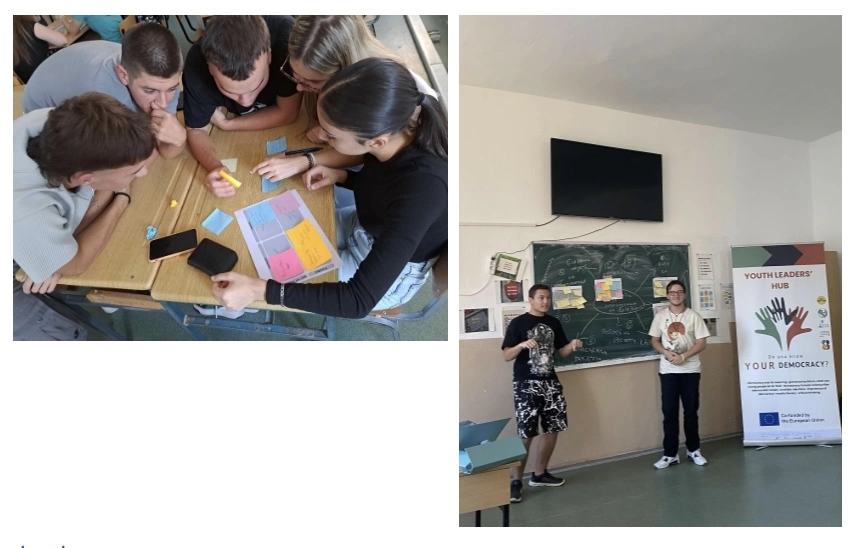
In Croatia, workshops brought together 35 young participants across three sessions focused on democracy, human rights, and active citizenship.
Participants explored questions such as:
One of the strongest outcomes was the development of dialogue skills. Participants practised discussing sensitive topics, understanding political polarisation, and engaging respectfully with opposing views.
Many highlighted that learning how to disagree constructively — while still listening and understanding others — was one of the most valuable aspects of the experience.
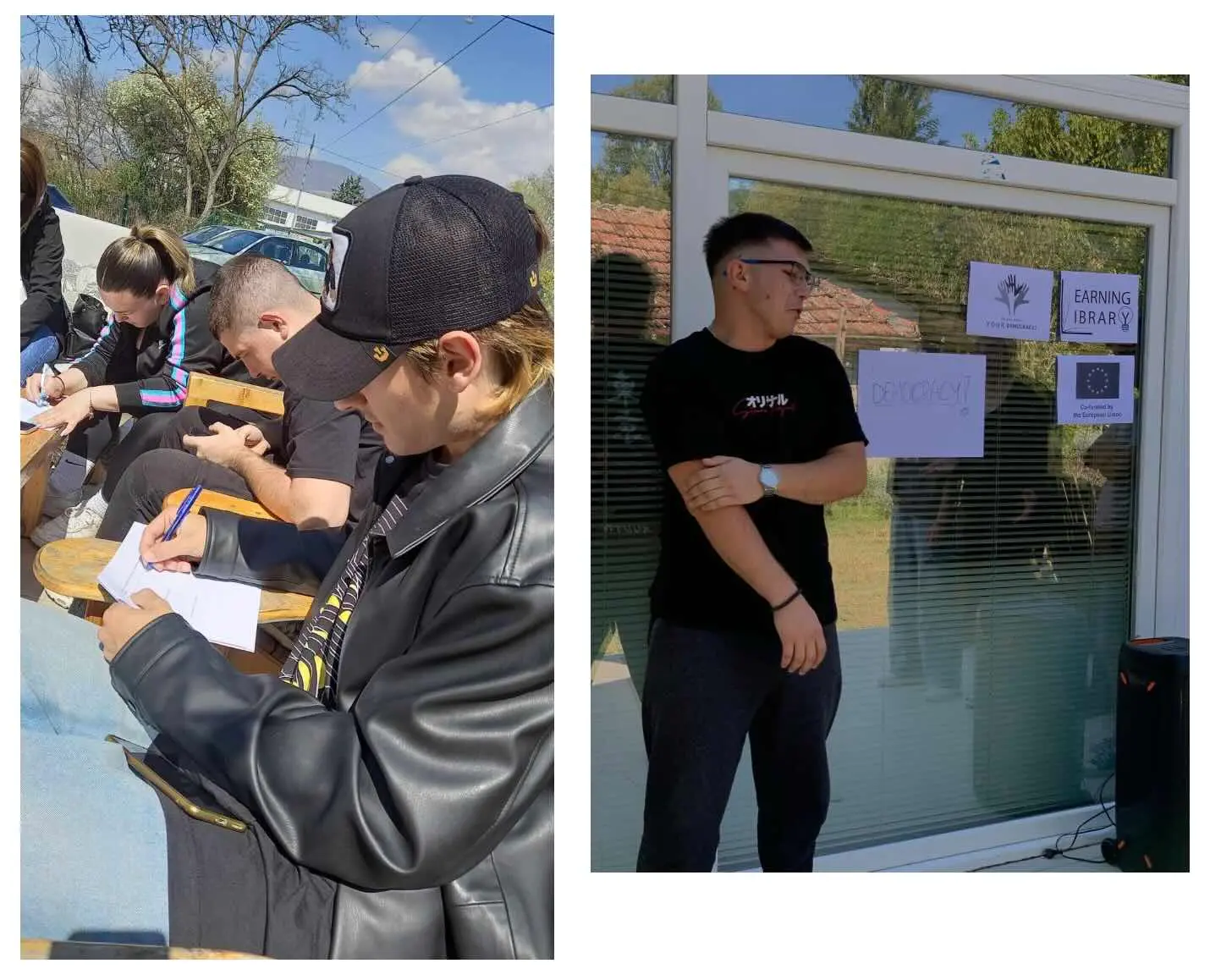
In North Macedonia, workshops engaged young participants in exploring democracy through values and action.
Participants reflected on their vision of an ideal society and examined how personal values shape that vision. They then connected these ideas to real-world challenges through discussions on social entrepreneurship.
The workshops helped participants:
The experience inspired many participants to continue developing their ideas beyond the workshops.
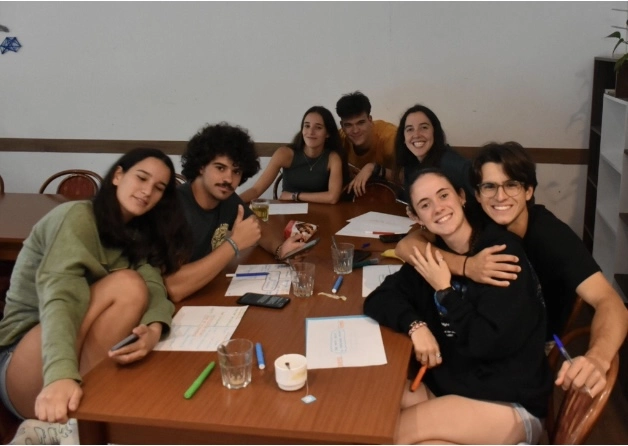
Workshops in France focused on both understanding democracy and experiencing how it works in practice.
Participants explored different definitions of democracy and compared their own perspectives with institutional frameworks. Through debates and simulations, they engaged with topics such as election campaigns, decision-making, and the role of media.
These activities helped participants understand:
The interactive format made learning more engaging and allowed participants to reflect critically on how democracy functions in real life.
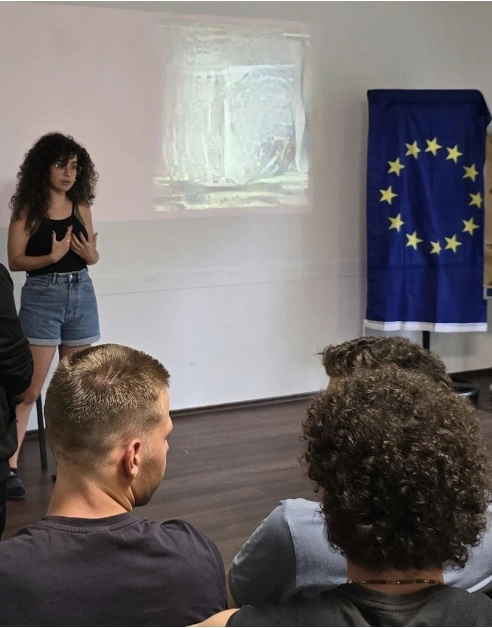
In Estonia, a three-day intensive workshop brought together 27 young participants aged 18–25, including both experienced youth leaders and newcomers.
Unlike other countries, Estonia piloted a large number of workshop sessions from the handbook, providing in-depth testing and feedback.
Participants particularly valued:
These activities encouraged critical thinking, teamwork, and deeper understanding of democratic concepts.
Participants described the experience as practical and engaging, with some highlighting that it felt like a real-world simulation of democratic processes.
At the same time, their feedback provided valuable insights for improvement, including:
Overall, the workshops created a strong foundation for continued dialogue and learning about democracy.
In Sweden, Youth Leaders’ Hub activities also contributed to the piloting process, ensuring that perspectives from different social and cultural contexts were included.
Workshops focused on engaging young people in discussions around democratic values, participation, and community involvement, further enriching the collective learning process across partner countries.
Across all countries, several key outcomes emerged:
Stronger critical thinking skills
Participants learned to analyse information, question assumptions, and consider multiple perspectives.
Improved communication and dialogue
Young people developed skills for respectful discussions, especially on complex or sensitive topics.
Greater understanding of democracy
Democracy became more tangible — connected to real-life situations and personal experiences.
Increased motivation for participation
Participants felt more confident in their role as active citizens and more willing to engage in their communities.
A central part of this process was collecting feedback from participants to improve the educational materials.
Young people suggested:
This feedback ensures that the final handbook will be practical, relevant, and directly shaped by the needs of young people.
These workshops go beyond education — they are building the foundations of stronger, more inclusive democratic communities.
By empowering youth leaders and engaging young people directly, the project is creating spaces where:
Insights from these workshops will be used to finalise the handbook and further develop project outputs, including innovative educational tools and future learning opportunities.
The message remains clear:
Democracy is not something young people should only learn about — it is something they should experience, shape, and live.